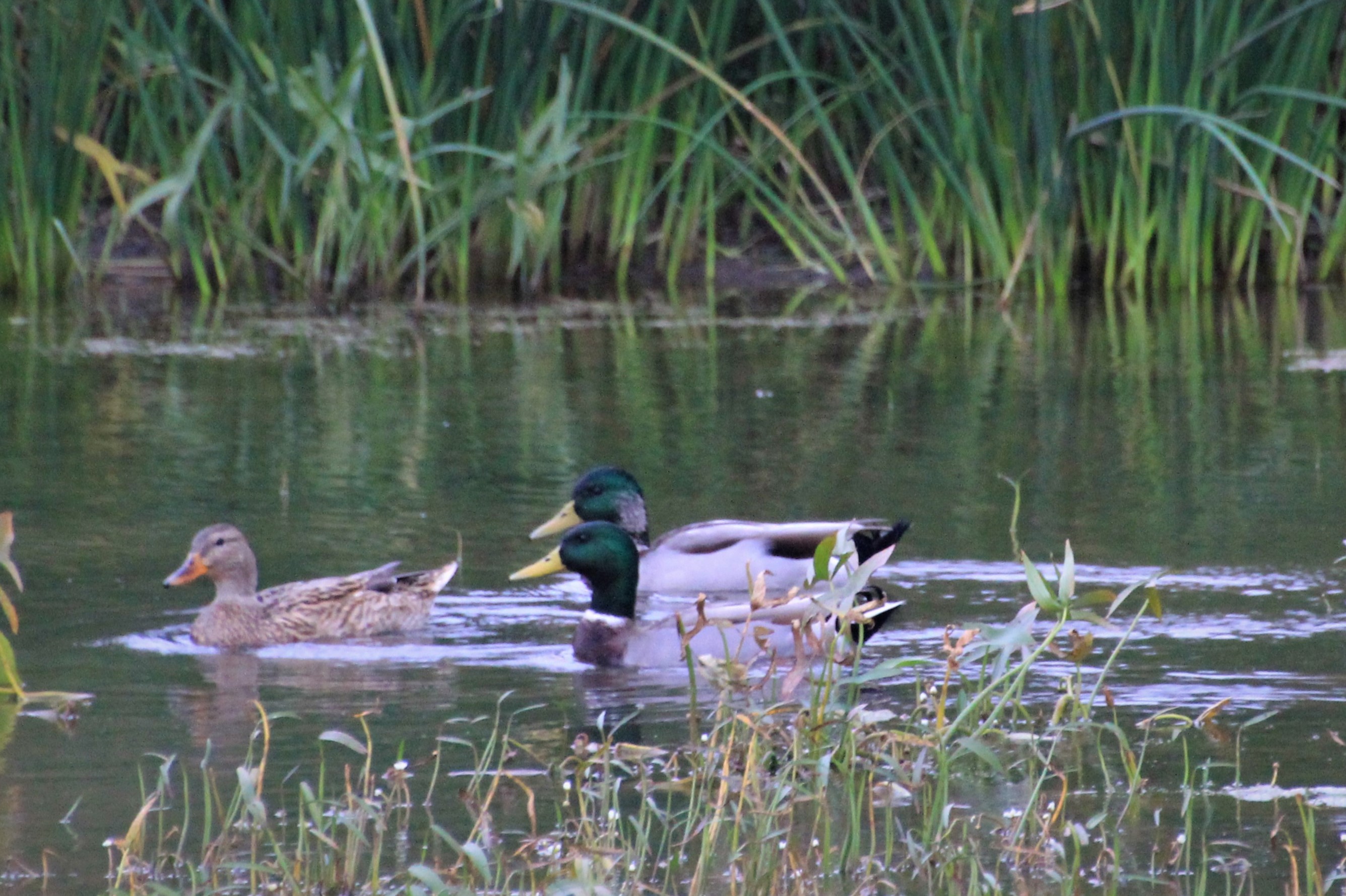
Neighborhood Wildlife

We are fortunate to enjoy a variety of native critters that visit our back yard. They come out of the wooded area behind our home. Mostly, they seek the bird seed which the birds peck from the feeder and the rest falls to the ground.

Our biggest critter is deer which feed on the honeysuckle shrubs, and occasionally bird seed. Far off, and on rare sightings do we see bucks, but they seldom come near our yard.

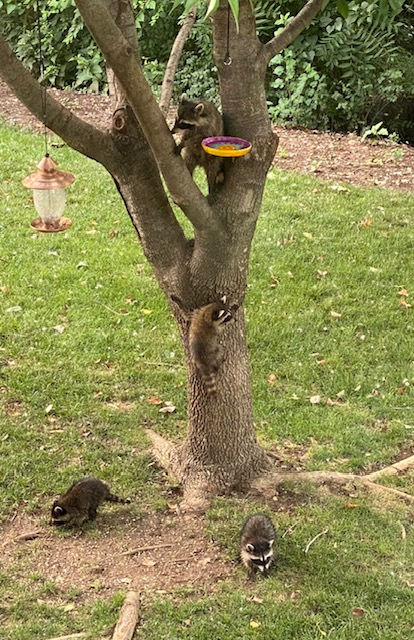
We try to discourage deer due to deer ticks, but they are fun to watch browsing the bushes. We definitely don’t do anything to attract racoons due to their ability to wreak havoc and carry disease, but recently a mom and her pups came into our yard to eat corn under the bird feeder. They are cute rascals with their bandit faces and human-like fingers.
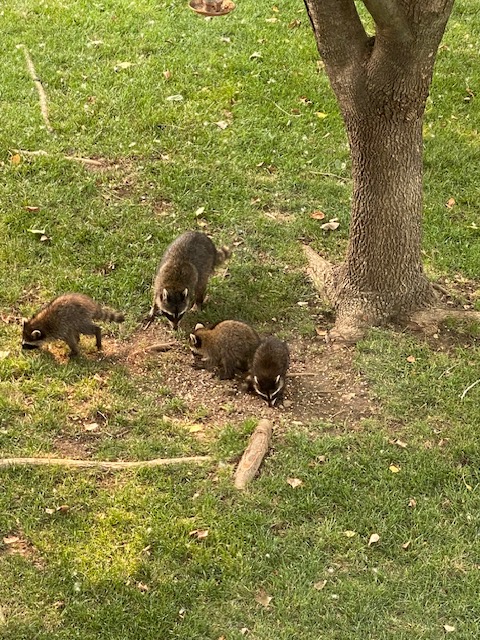
In this particular instance, mom climbed the tree, came down the cord and shook the bird feeder to scatter the seed to the ground. Clever animals.
Squirrels, bunnies, and chipmunks visit us multiple times a day. Food is a powerful motivator. We even had a large female snapping turtle lay eggs in the sloped hillside next to the woods. We have an array of birds which frequent the feeder: cardinals, several varieties of sparrows, chickadees, junco’s, blue jays, and woodpeckers. Plenty of robins and thrashers, too, but they prefer worms and grubs. Rather than bore you with bird photos, I’ll simply share a few a more photographs.

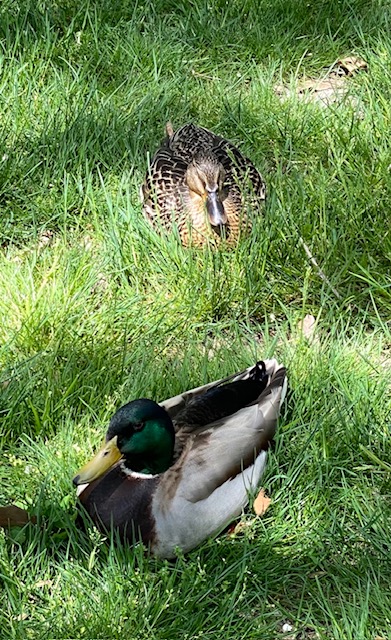
The ducks and geese photos were taken while on a walk nearby and not in our back yard. However, it’s probably only a matter of time before these Canadian geese visit us as they have little to no fear of humans, and they are everywhere.

We have seen and heard coyotes, bobcats, turkey vultures, owls and a variety of hawks. Surprisingly, very few snakes even though there is water nearby. Perhaps the previously mentioned predators keep them in-check.

Later the same day, after I posted this blog, and after stating we see seldom see a buck, this guy shows up in a clearing in the woods. Oh well, surprised again!

Most of these images were taken via my cell phone through windows; hence the quality isn’t he best.

Unknown species.
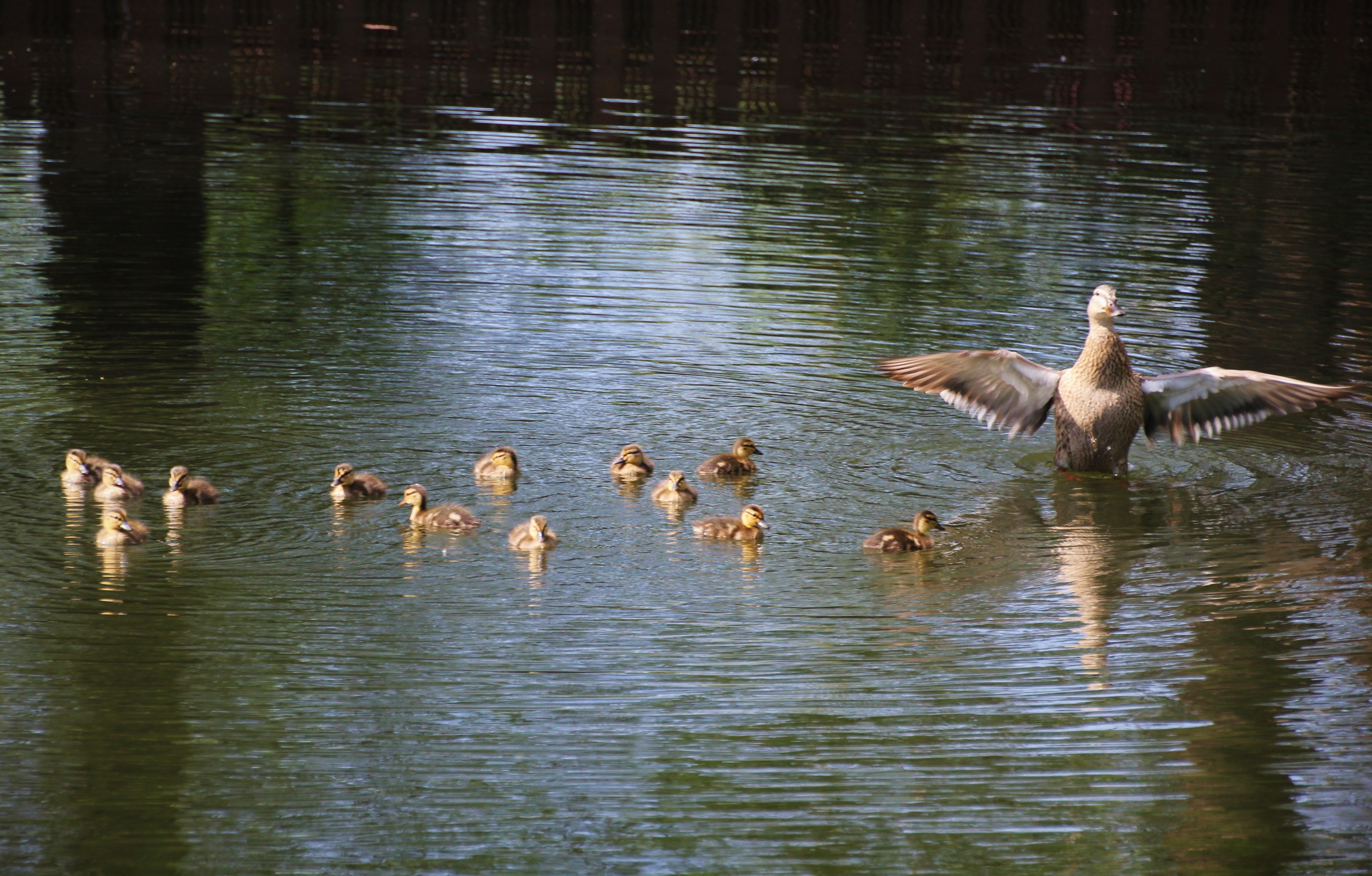
Baker’s Dozen !

5-10-14 034 (2)

Mother hen with her brood of ducklings at one of Kansas City’s iconic locations, Loose Park. Watching ducklings or goslings (baby geese) follow their moms around a pond or lake is pure joy!

The babies don’t stray far from mom, but if one gets the idea to lag behind a bit too far, the parental command is given to get back in the group and pronto.

I named this post after what used to be common in the donut world. Years ago when you went to fetch a dozen donuts for the office or family, many shops would include a thirteenth donut which is how the term Baker’s Dozen became known in America. I don’t buy donuts very often, but in talking with people who do they only get twelve and are usually surprised to learn about some baker’s generosity. It was a really smart marketing idea as the shops which gave out an extra donut were usually the busiest.

Actually, there are several theories as to how this term and and extra donut came about and it didn’t involve donuts at all. Do some research and learn when and where this practice was born. Too bad it isn’t done very much today…not that folks need donuts in the first place. However, it’s always fun to get a little extra for no additional cost. As for mom and her ducklings, thirteen is pretty common. I wonder where dad (called a drake) flew off to! He’s probably looking for the generous donut shop!

Change


It is wonderful to witness a pair of Mallards move along a pond as if ice skating…so smooth. Even more so when they are paired with their hens. The other hen is just right of this photograph. I tried to capture all four of them, but they became leary of my presence and divided a bit.

IMG_0299

A short walk on a very windy Fall day revealed that the season is definitely changing from Summer to Autumn.

IMG_0282.JPG

The old and the new somehow gel together. This old silo has witnessed many of harvests, but it only sees housing sub-divisions built around it these days. It seems to be inevitable that fallow days are numbered. We all need energy, but is the best way to acquire it?

IMG_0306

Prairie grass still stands tall, but only for a short while. Soon, blue grass lawns and residential housing will take over this parcel of land..what used to be grazing fields, ponds, and hedge trees.

IMG_0279

Grateful for electricity. Looking forward to other viable sources for energy in the future.